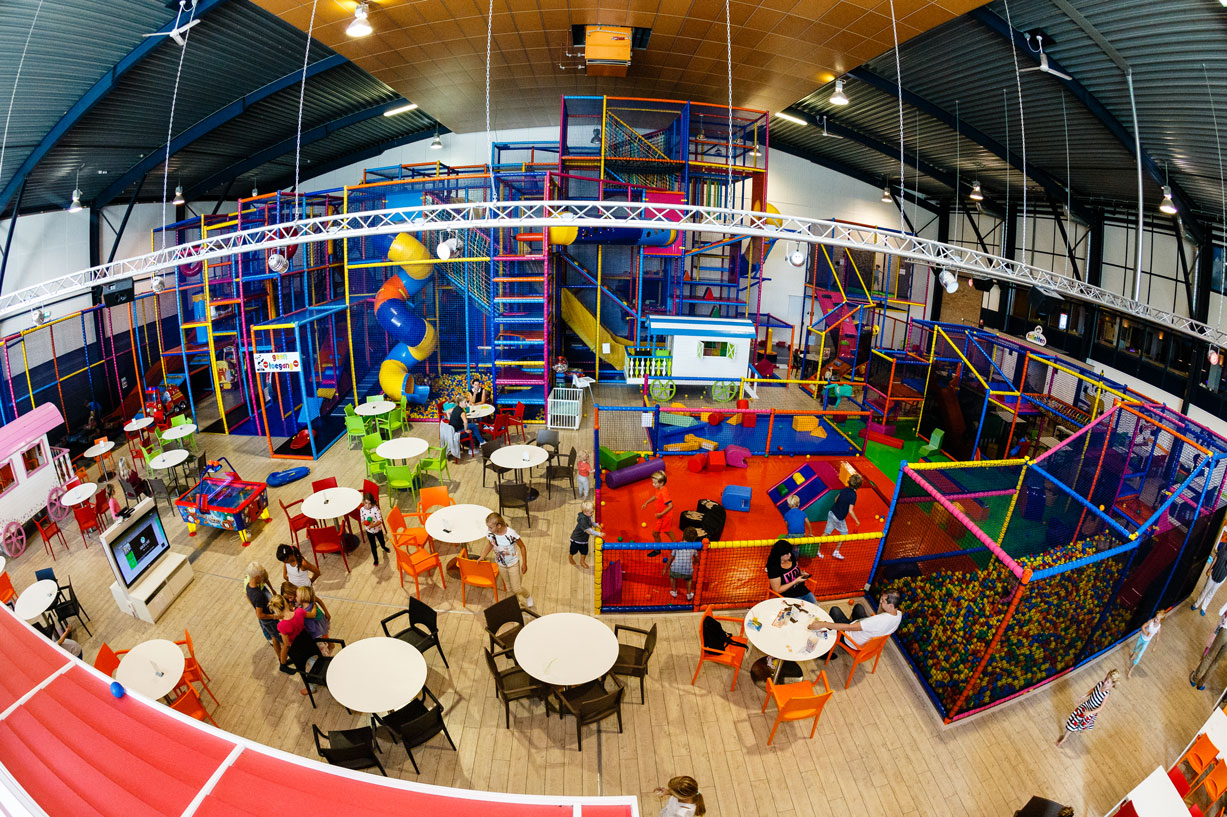
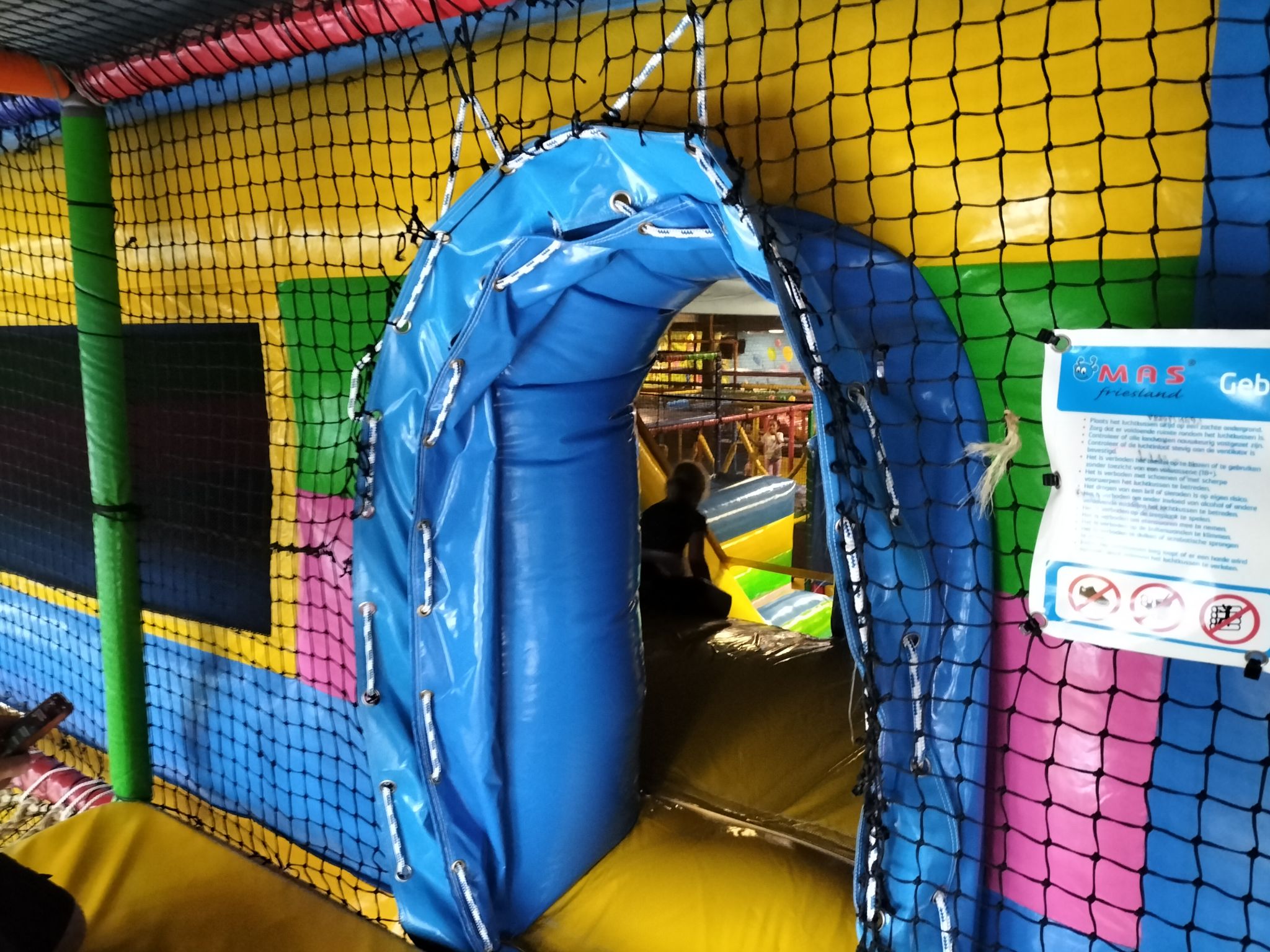
An indoor playground is a place where children can explore, play, and have fun. However, due to heavy use, wear and tear, and evolving safety standards, a playground can start to feel outdated over time. Replacing everything isn’t always necessary — refurbishing offers a sustainable and cost-effective solution. But how do you know when it’s time to take action?
1. Visible wear and damage
Have you noticed parts losing their color, showing cracks, or becoming damaged? Think of worn-out slides, frayed climbing nets, or loose padding on soft play elements. These are clear signs that refurbishing is needed to make the play equipment safe and attractive again.
2. Changing safety standards
Safety comes first in every playground. European standards (such as EN1176) are regularly updated. If your indoor playground no longer fully meets current regulations, refurbishing is the ideal way to bring the equipment up to date and ensure it is certified again.
3. Decreased overall experience
Children and parents expect an indoor playground to be inviting and appealing. If you notice that visitors are less enthusiastic, or that your competitors look more modern and colorful, refurbishing can give your playground a fresh and contemporary look.
4. Cost savings compared to new construction
Building an entirely new playground is a major investment. Refurbishing offers an affordable alternative: you keep the main structure but renew parts and appearance. This way, you save costs without compromising on safety or experience.
5. Sustainability as an added value
More and more organizations are choosing sustainable solutions. By refurbishing instead of replacing equipment, you reduce waste and promote material reuse. This perfectly aligns with socially responsible business practices.