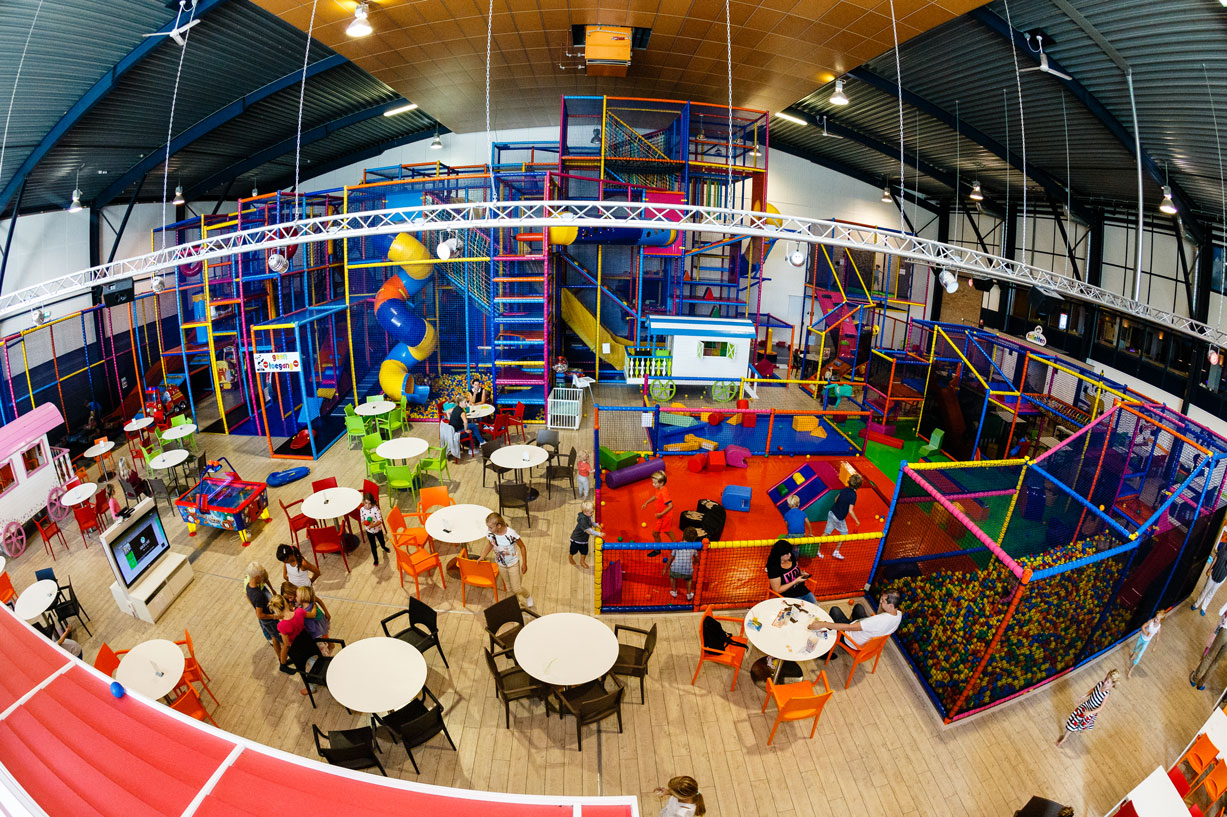

In a world where technology is becoming increasingly intertwined with our daily lives, it’s only natural that play environments evolve as well. With sensor play, we’re entering a new era of interactive play — an experience where children don’t just move, but truly respond to their surroundings.
What is Sensorplay?
Sensor play is a form of play in which playground equipment is equipped with sensors that respond to touch, movement, sound, or light. This makes play dynamic and educational — children discover game rules, react to signals, and create interactive experiences together.
Why choose sensor play?
- Greater engagement: children are actively challenged instead of passively using a play structure.
- Educational value: sensor-controlled games can enhance skills such as speed, coordination, and teamwork.
- Lasting appeal: interactive equipment keeps children entertained and encourages repeat visits.
- Flexible scalability: themes, games, and difficulty levels can be adjusted to suit your target audience and location.
What to consider when implementing sensor play
- Reliable hardware & software
Use robust sensors and ensure that the software remains stable, even under heavy use. - Safety first
Sensor play must comply with all safety standards — no exposed components, and the risk of injury must be eliminated. - Maintenance & updates
Just like ICT systems, sensor play setups require regular updates and maintenance to prevent malfunctions. - Ease of use for operators
A clear interface for activating modules or setting themes is essential for smooth operation.